

Hormone Disruptors in the Home: What You Need to Know

When we think about hormone health, we usually focus on diet, sleep, or stress. But one often overlooked source of hormone disruption may be sitting right under the kitchen sink.
Many everyday cleaning products contain chemicals known as endocrine disruptors, which can interfere with the body’s natural hormonal systems. Because hormones regulate critical functions like metabolism, sleep, mood, growth, and reproduction, even small disruptions over time can impact overall health.
The surprising part? These chemicals don’t stay neatly contained in a bottle. During and after cleaning, they can enter the body in several ways:
-
Inhalation: breathing in fumes or airborne particles while cleaning
-
Skin contact: absorbing chemicals through the skin
-
Surface residue: exposure from countertops, floors, fabrics, and other household surfaces
Over time, repeated exposure can quietly add up.
Common Hormone Disruptors Found in Cleaning Products
Many of these chemicals aren’t obvious on product labels. In fact, some are hidden behind vague terms that make them difficult for consumers to identify.
Here are some common ingredients to watch for.
“Fragrance” or “Parfum”
This single word can represent dozens of undisclosed chemicals, many of which manufacturers aren’t required to list individually. These fragrance blends often contain phthalates, a class of chemicals associated with hormone disruption.
Phthalates
Phthalates are frequently used to make scents last longer in cleaning and personal care products. Research has linked them to hormone interference and developmental concerns.
Triclosan
Once widely used in antibacterial soaps and cleaning products, triclosan has been shown to interfere with thyroid hormone regulation. It has also raised concerns about contributing to antibiotic resistance.
Parabens
Parabens are preservatives used to prevent bacterial growth in products. In the body, they can mimic estrogen, which may disrupt hormonal balance over time.
Alkylphenol Ethoxylates (APEs)
These surfactants help cleaning products break down grease and dirt. However, when they degrade, they form compounds that can disrupt hormones, particularly in aquatic ecosystems where they often accumulate.
Ammonia and Chlorine-Based Cleaners
While not classified as hormone disruptors themselves, ammonia and chlorine can increase chemical stress on the body and significantly worsen indoor air quality, especially in enclosed spaces.
Why Avoiding Hormone Disruptors Matters
Reducing exposure to hormone-disrupting chemicals can have meaningful benefits for long-term health.
Potential benefits include:
-
Better hormone balance
-
Improved sleep and energy levels
-
Fewer headaches and respiratory irritations
-
Reduced risk of long-term health issues linked to endocrine disruption
-
A safer home environment for children and teens, whose hormonal systems are still developing
Indoor air quality also plays a major role. During colder months when homes are sealed tightly, airborne chemicals from cleaning products can linger longer in the air.
How Liquid Earth Does It Differently
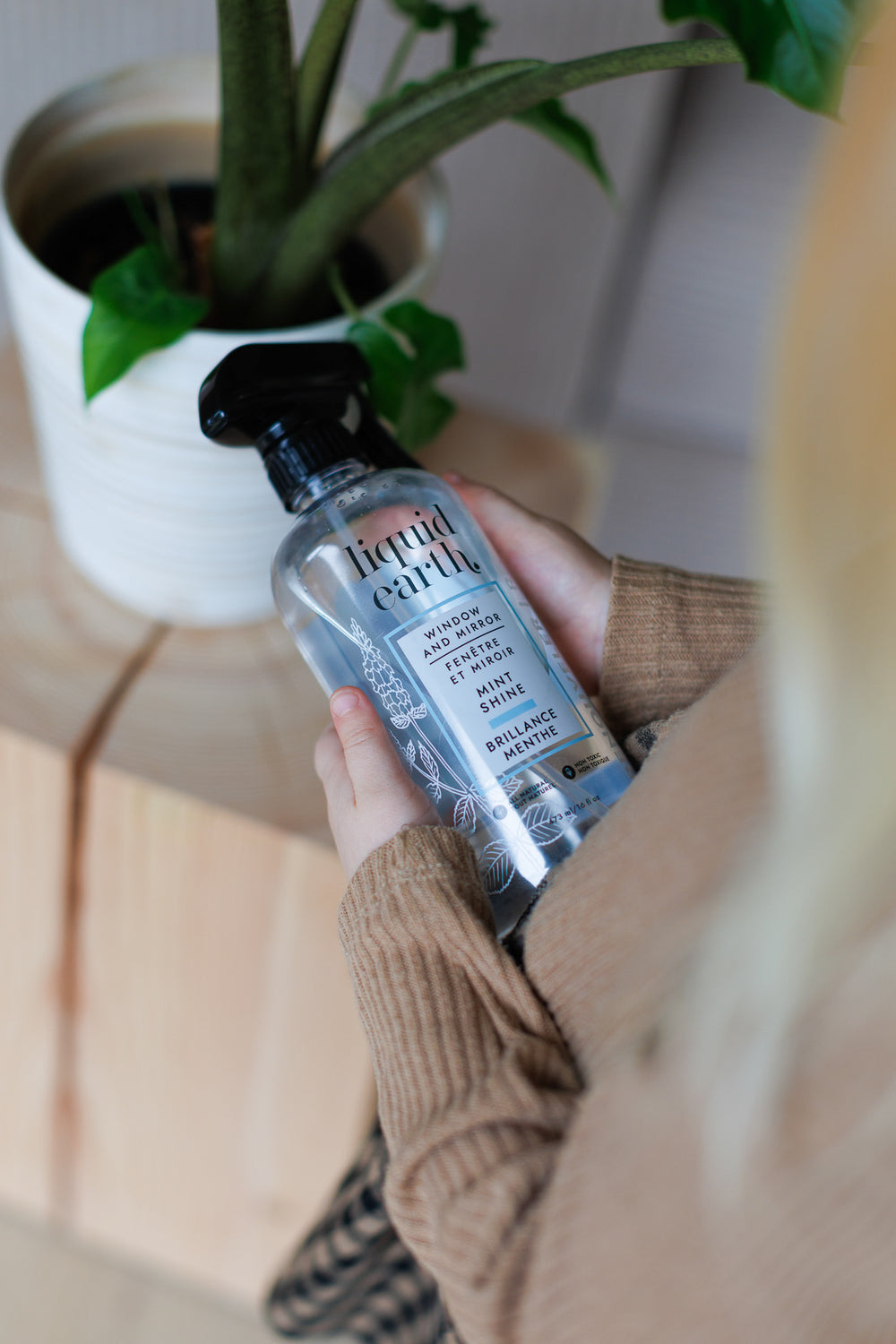
At Liquid Earth, we believe that effective cleaning shouldn’t come at the expense of your health.
That’s why our products are designed with safety and transparency in mind.
Our formulations are:
-
Free from synthetic fragrances and hormone-disrupting additives
-
Made with naturally derived, non-toxic ingredients
-
Scented only with pure essential oils
-
Engineered to deliver powerful cleaning without harmful residues
By choosing safer formulations, you reduce one of the most common sources of chemical exposure in the home, without sacrificing performance.
The Takeaway
Hormone disruptors can quietly appear in many everyday cleaning products, but awareness makes it easier to make healthier choices.
By choosing products that prioritize transparent ingredients, non-toxic formulations, and safer scents, you can help protect your hormone health, improve indoor air quality, and create a safer environment for your family.
Because a clean home should support your health, not compromise it.
— The Liquid Earth Team